
Canada boasts one of the world’s strongest public education systems, with high standards, well-funded schools, and strong outcomes in literacy and numeracy for primary education. Yet an increasing number of families—particularly those with teens—are turning to private boarding schools for secondary education. These institutions offer a structured, immersive environment that goes beyond traditional day schooling, combining rigorous academics with character development, extracurriculars, and personal growth.
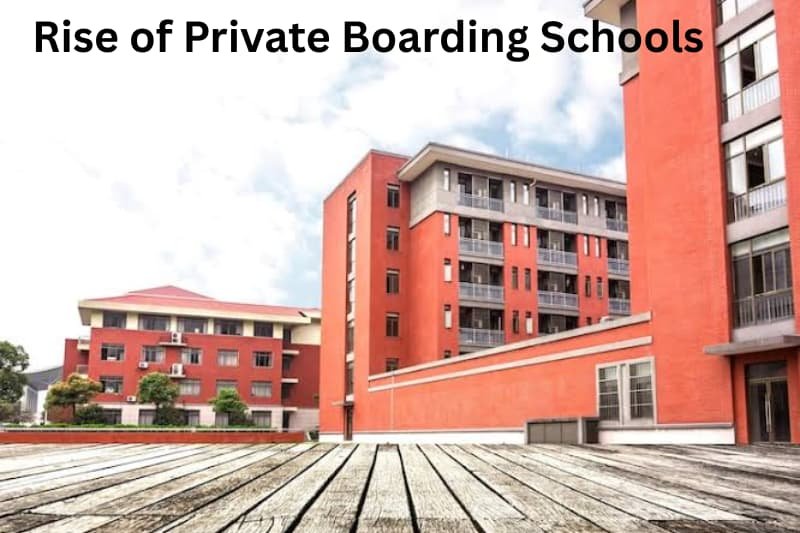
Private boarding schools in Canada attract both domestic and international students. Prestigious options include Appleby College in Oakville, Ontario; Ridley College in St. Catharines; Upper Canada College (UCC) in Toronto; Branksome Hall; Lakefield College School; and Trinity College School. Many emphasize the International Baccalaureate (IB) or Advanced Placement (AP) programs, small class sizes, and exceptional university placement rates, often feeding into top Canadian universities like the University of Toronto, McGill, and Queen’s, as well as international destinations.
Why Canadian Parents Opt for Boarding SchoolsSeveral practical and aspirational reasons drive families toward boarding options for their teens:
Academic Excellence and University Preparation: Boarding schools often provide enriched curricula, dedicated college counseling, and higher expectations. Parents seeking an edge for competitive university admissions find these environments ideal.
Development of Independence and Life Skills: Teens learn self-reliance by managing their time, responsibilities, and personal needs away from home. This fosters maturity, resilience, and problem-solving abilities that prepare them well for post-secondary life.
Structured Environment for Busy Families: Dual-career households or parents with demanding jobs benefit from the 24/7 supervision, extensive extracurricular programs (sports, arts, leadership), and built-in study support. No more daily commutes or after-school logistics.
Diverse and Global Perspectives: Many schools host students from dozens of countries, promoting cultural awareness and networking opportunities in an increasingly interconnected world.
Specialized Focus Areas: Whether it’s elite athletics, arts, leadership, or STEM, boarding schools allow deep immersion in a supportive peer group.
For some families in remote areas or those dealing with specific challenges, boarding provides stability and focused attention that local options may not match as easily.
Military Schools: Discipline and Leadership in a Structured Setting
A notable subset of the boarding school landscape includes military schools, which appeal to parents seeking a highly disciplined, character-building environment. Canada’s primary example is Robert Land Academy in Ontario, a boys-only military-style boarding school for grades 5–12. It uses a structured, military-themed framework emphasizing responsibility, leadership, physical fitness, and clear expectations when Canadians apply for military school acceptance.
These programs are not affiliated with the Canadian Armed Forces but draw on military-inspired routines to instill self-discipline, respect, and accountability. They can be particularly effective for teens who thrive in predictable structures or need support developing focus and resilience. Military-style education has helped many students build strong foundations for future success in academics, careers, or service-oriented paths.Considerations for FamiliesTuition at Canadian private boarding schools typically ranges from tens of thousands of dollars annually, making them a significant investment. Families often weigh this against the long-term benefits of personal growth, networks, and educational outcomes. Admission can be competitive, with interviews, recommendations, and sometimes entrance tests required.
It’s worth noting Canada’s sensitive history with residential schools, which were government- and church-run institutions primarily for Indigenous children aimed at cultural assimilation. Modern private boarding schools are entirely different—voluntary, diverse, high-quality educational communities with no connection to that dark chapter.