
Introduction
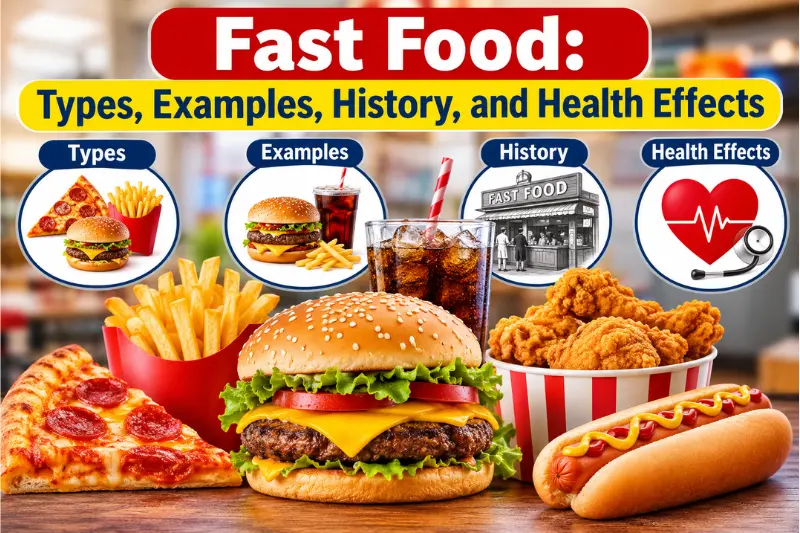
Fast food has become an important part of modern eating habits because it offers convenient meals that can be prepared, served, and consumed quickly. From hamburgers and French fries to pizza, fried chicken, sandwiches, and tacos, fast food is widely available through restaurants, drive-through outlets, food courts, takeaway services, and online delivery platforms.
The popularity of fast food is closely connected with changing lifestyles, urban development, employment patterns, transportation, and consumer preferences. Many people choose these meals because they have limited time for shopping, cooking, and preparing food at home. Restaurant chains have responded to this demand by developing standardized menus, efficient kitchen systems, and convenient ordering services.
Fast food is also an important part of the global food industry. It supports restaurants, food manufacturers, agricultural suppliers, packaging companies, transportation networks, and employment opportunities. International restaurant chains have introduced familiar food products to different markets, while local businesses have adapted popular fast food concepts to regional tastes.
However, convenience is only one aspect of fast food. Its nutritional composition varies according to ingredients, preparation methods, cooking oils, portion sizes, and additional products included in a meal. Some options contain protein, vegetables, and other nutrients, whereas others may provide excessive calories, sodium, saturated fat, and added sugars.
Understanding fast food helps consumers recognize its different categories, nutritional characteristics, advantages, disadvantages, and possible health effects. It also provides insight into how the industry operates and how technology, changing consumer expectations, and food innovation may influence its future.
This guide explores fast food in detail, including its definition, characteristics, history, types, examples, restaurant operations, nutrition, economic importance, health considerations, and future developments.
What Is Fast Food?
Fast food refers to meals and food products prepared and served quickly through restaurants or other food-service establishments. These meals are generally designed for convenient ordering, relatively short preparation times, and immediate consumption, takeaway, or delivery.
The term describes a food-service model rather than one specific ingredient or cooking method. Hamburgers, pizza, fried chicken, sandwiches, tacos, and prepared salads may all be sold as fast food, depending on the restaurant’s operating system.
Most fast food restaurants organize their kitchens to reduce preparation and waiting times. Ingredients may be cleaned, cut, portioned, seasoned, refrigerated, or partially prepared before customers place their orders. Employees then assemble or cook the requested products according to established procedures.
For example, a quick-service restaurant may prepare burger ingredients in advance. When a customer orders a hamburger, the employee assembles the bun, cooked patty, cheese, vegetables, and sauces according to the restaurant’s recipe.
Fast food is commonly associated with quick-service restaurants (QSRs). These establishments generally emphasize counter ordering, standardized menus, drive-through services, takeaway, and efficient customer service.
However, fast food does not automatically mean unhealthy food. Its nutritional quality depends on the ingredients, preparation methods, cooking techniques, portion sizes, and frequency of consumption.
To understand the wider subject, readers can explore Fullipedia’s What Is Food? guide, which explains the meaning, types, sources, nutrients, and importance of food in human life.
What Are the Main Characteristics of Fast Food?
Fast food restaurants are designed to provide convenient meals through organized preparation and service systems. Although individual businesses operate differently, many share several characteristics.
1. Quick Preparation and Service
Speed is one of the defining characteristics of fast food. Restaurants organize their kitchens and employee responsibilities to prepare popular menu items within a relatively short period.
Pre-prepared ingredients, standardized cooking procedures, specialized equipment, and organized order systems help businesses serve customers efficiently.
2. Standardized Menus
Many fast food chains offer similar menu items across different locations. Standardized recipes help maintain consistency in ingredients, portion sizes, preparation methods, and product quality.
For example, customers ordering the same burger from a restaurant chain generally expect a similar product at different locations.
3. Convenient Ordering Options
Fast food restaurants commonly provide several ordering methods, including:
- Counter service
- Drive-through ordering
- Mobile applications
- Online ordering
- Self-service kiosks
- Takeaway collection
- Home delivery
These options allow customers to purchase meals according to their schedules and preferences.
4. Specialized Kitchen Equipment
Commercial fast food kitchens use equipment such as deep fryers, grills, ovens, refrigerators, freezers, beverage dispensers, and food-warming units.
This equipment helps restaurants prepare large quantities of food while following consistent preparation procedures.
5. Flexible Purchasing Options
Fast food menus often include individual items, combination meals, family packages, and promotional offers.
Customers can choose different products and quantities according to their budgets, appetites, and preferences.
6. High Customer Turnover
Quick-service restaurants generally aim to serve customers efficiently. Faster ordering and preparation can help businesses accommodate more customers during busy periods.
This operating model is particularly important during breakfast, lunch, dinner, and other peak business hours.
7. Takeaway and Delivery Services
Many fast food businesses offer meals for customers who do not want to eat inside the restaurant.
Packaging, order management, and delivery coordination allow restaurants to serve customers at workplaces, homes, educational institutions, and other locations.
What Are the Different Types of Fast Food?
Fast food includes a wide variety of meals prepared through different cooking methods and culinary traditions. Restaurants may specialize in one food category or offer several products on a single menu.
The following are common types of fast food.
1. Burgers and Sandwiches
Burgers and sandwiches are among the most recognizable fast food products. They generally consist of bread or buns filled with meat, poultry, cheese, vegetables, sauces, or other ingredients.
Popular examples include:
- Hamburger
- Cheeseburger
- Chicken burger
- Fish sandwich
- Grilled chicken sandwich
- Vegetable sandwich
- Breakfast sandwich
Their nutritional composition depends on the type of bread, filling, cooking method, cheese, sauces, and portion size.
2. Pizza
Pizza is a widely consumed fast food product prepared using a dough base topped with sauce, cheese, vegetables, meat, or other ingredients.
Common varieties include:
- Cheese pizza
- Pepperoni pizza
- Vegetable pizza
- Chicken pizza
- Margherita pizza
- Meat lovers’ pizza
- Hawaiian pizza
Pizza is commonly sold as individual slices, personal-sized meals, or larger products designed for sharing.
3. Fried Chicken
Fried chicken is prepared by coating chicken pieces with flour, seasonings, or batter and cooking them in hot oil.
Popular products include fried chicken pieces, chicken tenders, chicken wings, chicken nuggets, boneless chicken bites, and chicken sandwiches.
Some restaurants also offer grilled or baked chicken as alternatives to deep-fried products.
4. French Fries and Potato Products
Potato-based products are common side dishes in fast food restaurants. They may be served independently or alongside burgers, sandwiches, and fried chicken.
Examples include:
- French fries
- Potato wedges
- Hash browns
- Curly fries
- Loaded fries
- Mashed potato sides
Their nutritional value depends on preparation methods, added salt, cooking oils, toppings, and serving sizes.
5. Tacos and Mexican-Style Fast Food
Tacos and other Mexican-inspired products are popular in quick-service restaurants. They commonly use tortillas filled with meat, beans, cheese, vegetables, sauces, and seasonings.
Common examples include beef tacos, chicken tacos, bean burritos, quesadillas, nachos, and chicken wraps.
These meals can provide protein and vegetables, although their overall nutritional quality varies with ingredients and toppings.
6. Hot Dogs and Sausages
Hot dogs are prepared using sausages served inside sliced buns. They are commonly topped with mustard, ketchup, onions, relish, cheese, or other condiments.
Other examples include sausage sandwiches, breakfast sausages, and grilled sausage rolls.
7. Asian-Style Fast Food
Asian-style fast food includes convenient meals inspired by different Asian cuisines. Restaurants may offer noodles, rice dishes, dumplings, wraps, and other prepared products.
Examples include:
- Fried rice
- Noodle bowls
- Dumplings
- Spring rolls
- Teriyaki chicken
- Stir-fried vegetables
- Rice and chicken combinations
Cooking methods and nutritional composition vary significantly among restaurants and recipes.
8. Breakfast Fast Food
Many quick-service restaurants offer breakfast products designed for customers who need convenient morning meals.
Popular examples include breakfast sandwiches, egg muffins, pancakes, breakfast burritos, hash browns, bagels, and sausage-and-egg sandwiches.
Some breakfast options provide protein and other nutrients, while others contain considerable amounts of sodium, saturated fat, and added sugars.
9. Salads and Wraps
Salads and wraps are available in many modern fast food restaurants as alternatives to traditional fried meals.
Examples include grilled chicken salads, vegetable salads, tuna wraps, chicken wraps, bean wraps, and whole-grain sandwiches.
Their nutritional value depends on the ingredients and toppings. Creamy dressings, fried fillings, cheese, and large portions may increase calorie and sodium content.
10. Desserts and Fast Food Snacks
Fast food menus frequently include sweet products and small snacks.
Examples include ice cream, milkshakes, donuts, cookies, brownies, apple pies, and other baked desserts.
These products may contain considerable amounts of added sugars and calories, depending on their ingredients and portion sizes.
What Are Some Popular Examples of Fast Food?
Fast food can be found in many countries, with menus reflecting local food traditions, customer preferences, and available ingredients.
Some widely recognized examples include:
| Fast food item | Main ingredients |
|---|---|
| Hamburger | Bun, meat patty, vegetables, sauces |
| Cheeseburger | Bun, meat patty, cheese, sauces |
| French fries | Potatoes, cooking oil, salt |
| Fried chicken | Chicken, coating, seasonings |
| Pizza | Dough, sauce, cheese, toppings |
| Hot dog | Sausage, bun, condiments |
| Chicken nuggets | Chicken, coating, seasonings |
| Tacos | Tortillas, filling, vegetables, sauces |
| Burrito | Tortilla, rice, beans, meat or vegetables |
| Sandwich | Bread, fillings, vegetables, sauces |
| Chicken wrap | Tortilla, chicken, vegetables |
| Donut | Flour, sugar, fat, other ingredients |
These examples demonstrate that fast food includes products made from different food groups and ingredients. Some provide protein, carbohydrates, and other nutrients, while others may contain high amounts of added sugars, sodium, and saturated fats.
The products available in one country may differ from those offered elsewhere. For example, restaurant menus in India may include more vegetarian options, while US menus may offer a broader selection of regional and internationally inspired products.
Local cuisines also influence modern restaurant menus. Readers interested in regional Indian food can explore Fullipedia’s guides to traditional Odia cuisine and famous foods of Odisha.
What Is the History of Fast Food?
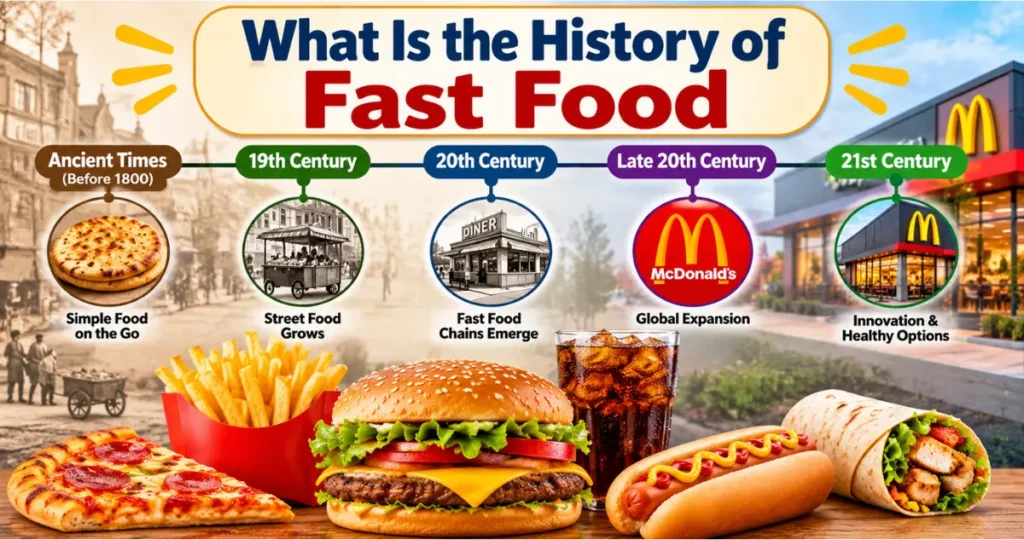
Fast food has a long history connected with convenient meals, street vendors, prepared foods, and modern restaurant systems.
People have purchased ready-to-eat meals for centuries, particularly in busy towns and trading centers where workers and travelers needed food without preparing it themselves.
However, the modern fast food industry developed through changes in urban lifestyles, transportation, food production, refrigeration, and commercial restaurant management.
Early Forms of Ready-to-Eat Food
In ancient societies, vendors sold prepared foods in public markets and busy streets. These meals provided convenient options for people who did not have the time, facilities, or resources to prepare food at home.
Street food and ready-to-eat meals existed in different civilizations and reflected local ingredients and culinary traditions.
Development of Commercial Food Outlets
During the nineteenth and early twentieth centuries, growing cities created demand for affordable and convenient meals.
Food stands, lunch counters, sandwich shops, and small restaurants became common in urban areas. These businesses served customers who wanted relatively quick meals during working hours.
Growth of the Modern Fast Food Industry
The twentieth century brought important changes to commercial food preparation. Standardized recipes, improved refrigeration, commercial kitchen equipment, and organized production systems helped restaurants serve larger numbers of customers.
The quick-service restaurant model expanded as businesses developed efficient systems for ordering, cooking, packaging, and delivering meals.
Expansion of Restaurant Chains
Franchising helped successful restaurant brands expand into different cities and countries. Standardized menus and operating procedures allowed businesses to maintain a recognizable identity across multiple locations.
International expansion also introduced customers to food products and restaurant formats that originated in other markets.
Digital Transformation of Fast Food
Modern technology has changed how customers interact with fast food businesses.
Mobile applications, digital payment systems, online menus, self-service kiosks, and delivery platforms have made ordering more convenient.
Restaurants increasingly use digital systems to manage customer orders, inventory, kitchen operations, and delivery coordination.
What Is the Difference Between Fast Food and Fast-Casual Food?
Fast food and fast-casual food are related restaurant categories, but they generally differ in service style, dining experience, menu presentation, and preparation approach.
Fast food restaurants usually emphasize speed, standardized products, counter service, and convenience. Fast-casual establishments commonly offer a more relaxed dining experience, customized meals, and greater emphasis on ingredients or preparation.
| Comparison | Fast Food | Fast-Casual Food |
|---|---|---|
| Service | Counter or drive-through | Counter or limited table service |
| Preparation | Standardized and efficient | Often more customizable |
| Dining experience | Convenience-focused | More relaxed |
| Menu | Frequently standardized | Often broader or customizable |
| Food presentation | Simple and consistent | May emphasize presentation |
| Pricing | Often budget-oriented | Frequently higher |
| Customization | May be limited | Often more flexible |
The distinction is not absolute. Some fast food restaurants provide premium products, while certain fast-casual businesses also use standardized preparation systems.
The United States Department of Agriculture examines food consumption outside the home, including quick-service and full-service restaurants. Its Food Away From Home research provides useful background on how restaurant meals contribute to American eating patterns.
How Does the Fast Food Industry Work?
The fast food industry depends on coordinated activities involving food suppliers, manufacturers, restaurant operators, employees, transportation companies, and customers.
Its business model is designed to make prepared meals available efficiently while maintaining consistent products and service.
1. Food Sourcing and Procurement
Restaurants purchase ingredients from approved suppliers. These may include meat, poultry, seafood, vegetables, dairy products, grains, cooking oils, sauces, and packaging materials.
Reliable suppliers help businesses maintain product availability and meet quality requirements.
2. Food Processing and Preparation
Ingredients may undergo cleaning, cutting, portioning, seasoning, freezing, refrigeration, or other preparation procedures before reaching restaurants.
Some products arrive partially prepared, while others are prepared in restaurant kitchens.
3. Standardized Cooking Procedures
Restaurants use written recipes, cooking instructions, portion specifications, and temperature controls to maintain consistency.
Employees follow these procedures when preparing burgers, chicken, fries, sandwiches, and other menu products.
4. Restaurant Operations
Restaurant operations involve ordering, inventory management, food preparation, cleaning, employee scheduling, equipment maintenance, and customer service.
Managers coordinate these activities to maintain efficient daily operations.
5. Marketing and Customer Service
Fast food businesses use promotional offers, loyalty programs, advertising, seasonal products, and digital platforms to attract customers.
Customer feedback and sales information can help restaurants understand purchasing patterns and improve their services.
Food-related digital publishing also influences how consumers discover restaurants, ingredients, and different cuisines. Fullipedia’s guides to food blogs and food blogging explore the role of online food content and consumer information.
6. Delivery and Distribution
Takeaway and delivery services provide additional ways for customers to purchase meals.
Restaurants may operate their own delivery systems or work with independent delivery platforms. Packaging is important because it helps protect food during transportation.
What Is the Nutritional Value of Fast Food?
The nutritional value of fast food depends on the ingredients, cooking methods, portion sizes, and additional products included in a meal.
Some fast food meals provide carbohydrates, proteins, fats, vitamins, and minerals. However, many popular combinations contain high amounts of calories, sodium, saturated fat, and added sugars.
Calories
Calories measure the energy supplied by food and beverages. Burgers, fried chicken, pizza, fries, and sweetened drinks can contribute substantial amounts of energy to a daily diet.
Large portions and combination meals may increase total calorie consumption.
Protein
Protein is found in products such as chicken, beef, fish, eggs, cheese, beans, and other ingredients commonly used in fast food.
The amount and quality of protein vary according to the product and portion size.
Carbohydrates
Bread, burger buns, pizza crusts, tortillas, potatoes, and sweetened beverages provide carbohydrates.
Whole-grain ingredients may supply more dietary fibre than refined alternatives.
Dietary Fat
Fast food products may contain different types of fat, depending on the ingredients and cooking methods.
Fried foods, fatty meat, cheese, creamy sauces, and certain baked products may contribute considerable amounts of saturated fat.
Sodium
Salt and sodium-containing ingredients are commonly used in restaurant food to improve flavor and preserve certain products.
High-sodium meals can contribute significantly to daily sodium intake, particularly when customers combine several processed or restaurant products.
Added Sugars
Soft drinks, milkshakes, desserts, sweet sauces, and certain breakfast products may contain added sugars.
Frequent consumption of products high in added sugars can make it harder to maintain a balanced dietary pattern.
The World Health Organization explains that a healthy diet should emphasize adequacy, balance, moderation, and diversity. Its healthy diet recommendations also discuss limiting foods high in unhealthy fats, free sugars, and sodium.
Readers who want to understand the scientific study of food composition, processing, and preservation can also explore Fullipedia’s article on What Is Food Science? and the wider Food Science category.
What Are the Advantages of Fast Food?
Fast food offers several practical advantages that explain its popularity among different consumer groups. Although these benefits are mainly connected with convenience and service, they also influence the food industry and modern lifestyles.
1. Saves Time
Fast food provides ready-to-eat meals without requiring customers to purchase ingredients, prepare recipes, or cook at home.
This can be useful for workers, students, travelers, and people with demanding schedules.
2. Convenient Availability
Many restaurants operate in shopping centers, commercial districts, transport areas, and residential neighborhoods.
Customers can purchase meals through counters, drive-through services, mobile applications, and delivery platforms.
3. Menu Variety
Fast food restaurants offer different products, including burgers, sandwiches, pizza, chicken, salads, wraps, desserts, and breakfast meals.
This variety allows customers to choose according to their preferences and dietary habits.
4. Predictable Products
Standardized recipes and preparation procedures help restaurants maintain similar products across different locations.
Customers may find it easier to select familiar menu items when traveling or visiting a new area.
5. Flexible Purchasing Options
Restaurants commonly offer individual items, combination meals, family packages, and promotional deals.
These options allow customers to choose different quantities and products according to their needs.
6. Supports Employment
The fast food industry provides employment opportunities in food preparation, customer service, restaurant management, cleaning, logistics, marketing, and administration.
It also creates indirect employment through agriculture, food processing, packaging, equipment manufacturing, and transportation.
7. Supports Business Development
Fast food restaurants contribute to commercial activity through franchising, entrepreneurship, supply chains, and retail operations.
Restaurant chains also create opportunities for suppliers and service providers in different regions.
8. Encourages Food Industry Innovation
Competition encourages restaurants to introduce new menu items, improve ordering systems, develop packaging solutions, and explore different preparation methods.
Some businesses also experiment with plant-based products, grilled meals, and alternative ingredients.
What Are the Disadvantages of Fast Food?
What is the future of the fast food industry
Despite its convenience, frequent consumption of certain fast food products may create nutritional and lifestyle challenges.
The potential disadvantages depend on food choices, portion sizes, eating frequency, and overall dietary habits.
1. High Calorie Content
Some fast food meals contain substantial amounts of calories, especially when customers combine burgers, fries, desserts, and sweetened beverages.
Regularly consuming more calories than the body requires can contribute to unhealthy weight gain over time.
2. High Sodium Content
Many restaurant meals contain considerable amounts of sodium from salt, sauces, processed meat, cheese, and seasoning mixtures.
Excessive sodium intake can increase blood pressure and contribute to cardiovascular health risks.
3. Excessive Saturated Fat
Fried foods, fatty meat, butter-based ingredients, cheese, and certain sauces may contain significant amounts of saturated fat.
Consistently consuming excessive saturated fat can negatively affect blood cholesterol levels.
4. Added Sugar in Some Products
Sweetened beverages, milkshakes, desserts, and flavored sauces may contain large quantities of added sugars.
Frequent consumption of these products can increase overall sugar intake without necessarily providing essential nutrients.
5. Limited Dietary Fibre in Some Meals
Meals based mainly on refined bread, fried potatoes, processed meat, and sugary beverages may provide relatively little dietary fibre.
A diet consistently low in fibre may not support the recommended intake of nutritious plant foods.
6. Large Portion Sizes
Some restaurants offer oversized meals or promotional combinations that encourage customers to purchase more food than they need.
Large portions can make it difficult to manage total calorie intake.
7. Food Safety Concerns
Fast food restaurants must maintain proper hygiene, temperature control, storage, and cooking procedures.
Improper food handling can increase the risk of contamination and foodborne illness.
8. Long-Term Dietary Risks
Frequent consumption of meals high in calories, sodium, saturated fat, and added sugars may contribute to an unhealthy dietary pattern.
The overall health impact depends on a person’s complete diet, activity level, and other lifestyle factors.
What Are the Health Effects of Eating Fast Food?
The health effects of fast food depend largely on its nutritional composition and how frequently it is consumed.
Eating fast food occasionally does not automatically cause a health problem. However, regularly relying on meals high in calories, sodium, saturated fat, and added sugars can make it harder to maintain a healthy dietary pattern.
1. Weight Management
Fast food meals may contain more calories than expected, particularly when they include large portions, fried sides, desserts, and sweetened drinks.
Frequent consumption of high-calorie meals without balancing overall energy intake may contribute to weight gain.
2. Heart Health
Some fast food products contain substantial amounts of saturated fat and sodium.
A dietary pattern high in saturated fat may adversely affect blood cholesterol, while excessive sodium intake can increase blood pressure. Both factors are relevant to cardiovascular health.
3. Blood Sugar Management
Sweetened beverages, refined bread, desserts, and other carbohydrate-rich products can contribute to blood glucose levels.
The effect depends on portion size, ingredients, individual health, and the overall composition of the meal.
4. Digestive Health
Some fast food meals contain limited dietary fibre, particularly when they consist mainly of refined grains, meat, and fried products.
Including vegetables, fruits, legumes, and whole grains in the overall diet helps improve dietary fibre intake.
5. Dietary Quality
Frequently choosing meals with limited vegetables, whole grains, and other nutrient-rich ingredients may reduce dietary diversity.
A balanced dietary pattern should include a variety of foods rather than depending heavily on a narrow range of restaurant meals.
6. Long-Term Health Considerations
A long-term dietary pattern high in unhealthy fats, free sugars, and sodium is associated with an increased risk of several noncommunicable diseases.
The World Health Organization identifies healthy dietary habits as an important factor in reducing risks associated with cardiovascular diseases, diabetes, and other health conditions.
The US Centers for Disease Control and Prevention (CDC) also publishes national research on fast food consumption among American adults and children.
According to the CDC’s National Center for Health Statistics, approximately 32% of US adults aged 20 and older consumed fast food on a given day during August 2021–August 2023. The average share of daily calories obtained from fast food was 11.7%.
The CDC also reported that 30.1% of US children and adolescents aged 2–19 consumed fast food on a given day during the same period, obtaining an average of 11.4% of their daily calories from these meals.
These findings demonstrate the role of fast food in American eating patterns. However, the figures represent survey estimates for the specified period, not a measurement of every individual’s daily consumption.
Readers can review the original CDC report on fast-food intake among US adults and its separate fast-food consumption report for children and adolescents.
How Can You Make Healthier Fast Food Choices?
Consumers do not necessarily need to avoid every fast food restaurant to improve their eating habits. Selecting appropriate menu items, managing portions, and paying attention to ingredients can help make restaurant meals more balanced.
1. Choose Grilled Options
Grilled chicken or other grilled protein options may contain less added cooking fat than some deep-fried alternatives.
However, sauces, cheese, and portion sizes should also be considered.
2. Include Vegetables
Choose meals that include lettuce, tomatoes, onions, peppers, and other vegetables.
Vegetable-based sides or salads can increase dietary variety.
3. Watch Portion Sizes
Consider ordering smaller meals instead of automatically selecting the largest available size.
Sharing larger items can also help reduce individual portion sizes.
4. Select Water or Unsweetened Drinks
Sweetened beverages can add substantial amounts of sugar and calories to a meal.
Water or unsweetened drinks are useful alternatives.
5. Check Nutrition Information
Many covered US restaurant chains provide calorie information on menus and menu boards.
The US Food and Drug Administration (FDA) requires calorie disclosure for standard menu items at qualifying restaurant chains with 20 or more locations operating under the same name and offering substantially the same menu.
Covered establishments must also make additional written nutritional information available upon request. This includes details such as saturated fat, sodium, carbohydrates, sugars, fibre, and protein.
Customers can use this information to compare different products and select meals according to their dietary needs.
The FDA explains these requirements in its official Menu Labeling Requirements guidance.
6. Limit High-Sodium Sauces and Toppings
Cheese, creamy sauces, processed meat, and additional seasoning can increase the sodium and saturated fat content of a meal.
Choosing smaller amounts of these ingredients may improve the overall nutritional profile.
7. Balance Restaurant Meals With Other Foods
A person’s overall eating pattern matters more than one individual meal.
Including fruits, vegetables, whole grains, legumes, and other nutrient-rich foods throughout the day helps maintain dietary balance.
8. Consider Food Safety
Customers should choose restaurants that maintain appropriate cleanliness and safe food-handling practices.
Proper cooking, refrigeration, storage, and hygiene are important for reducing the risk of foodborne illness.
For more information, consumers can consult the FDA’s Food Safety guidance.
What Is the Fast Food Industry’s Role in the US Economy?
The United States has a well-developed fast food industry supported by restaurant chains, independent businesses, food manufacturers, agricultural suppliers, and distribution companies.
Fast food businesses contribute to the economy through direct employment, commercial investment, franchising, and the purchase of food and non-food supplies.
Restaurant Employment
Quick-service restaurants employ people in cooking, food preparation, customer service, management, cleaning, maintenance, and delivery coordination.
These businesses also provide entry-level employment and opportunities for professional development in restaurant operations.
Franchise Business Model
Franchising is an important expansion method for many restaurant chains.
Under this model, franchise operators run businesses using an established brand, operating procedures, menu systems, and marketing support, subject to their franchise agreements.
Food Supply Chains
Restaurants purchase products from farms, meat processors, bakeries, beverage manufacturers, packaging suppliers, and distribution companies.
This creates economic connections between restaurant businesses and other industries.
Technology and Digital Services
Online ordering, digital payments, self-service kiosks, and delivery applications have created additional business opportunities.
Technology also helps restaurants monitor sales, manage stock, organize employees, and improve customer service.
Competition and Innovation
Competition encourages businesses to introduce new products, improve customer experiences, and develop more efficient operations.
Some restaurants are also exploring alternative proteins, customizable meals, and menu options that respond to changing dietary preferences.
The USDA Economic Research Service provides research on food purchased and consumed outside the home, including its nutritional and economic dimensions.
What Is the Future of Fast Food?
The future of fast food is likely to be influenced by changing consumer preferences, technology, nutritional awareness, environmental concerns, and business competition.
Restaurants are adapting their operations to meet customer expectations while maintaining efficient preparation and service systems.
1. Digital Ordering and Automation
Mobile ordering, artificial intelligence-assisted systems, digital menus, and automated kitchen equipment may continue to change restaurant operations.
These technologies can help businesses manage orders, improve accuracy, and reduce delays.
2. Health-Conscious Menu Options
Growing interest in nutrition may encourage restaurants to offer more grilled products, vegetables, salads, whole-grain ingredients, and meals with customizable portions.
Customers may also pay greater attention to calorie information and ingredient transparency.
3. Plant-Based Alternatives
Some businesses are expanding their menus with plant-based burgers, vegetable-based meals, and alternative protein products.
These options provide additional choices for customers with different dietary preferences.
4. Sustainable Packaging
Environmental concerns may encourage restaurants to explore recyclable, reusable, and alternative packaging materials.
Businesses may also look for ways to reduce food waste and improve supply-chain efficiency.
5. Delivery and Convenience
Online platforms and restaurant applications are expected to remain important parts of the fast food business model.
Customers increasingly value convenient ordering, flexible payment options, and reliable delivery services.
6. Personalized Customer Experiences
Digital ordering systems may help restaurants provide customized recommendations, loyalty rewards, and menu suggestions based on customer preferences.
These developments may make restaurant services more flexible and responsive.
7. Greater Attention to Food Quality
Customers may increasingly expect restaurants to provide clearer ingredient information, consistent food quality, and suitable options for different dietary preferences.
Food science and food technology will continue to influence product development, preservation, packaging, and safety systems.
Frequently Asked Questions About Fast Food
1. What is fast food in simple words?
Fast food refers to meals prepared and served quickly through restaurants or other food-service establishments. Common examples include burgers, pizza, fried chicken, sandwiches, tacos, and French fries.
2. What are the most common types of fast food?
Common types include burgers, sandwiches, pizza, fried chicken, French fries, hot dogs, tacos, burritos, salads, wraps, breakfast meals, and desserts.
3. Is fast food always unhealthy?
No. Fast food is not automatically unhealthy. Its nutritional quality depends on ingredients, preparation methods, portion sizes, and frequency of consumption. Some menu options contain vegetables, lean proteins, and other nutritious ingredients.
4. What is the difference between fast food and junk food?
Fast food describes meals served quickly, while junk food generally refers to products with limited nutritional value relative to their calories and ingredients. The categories can overlap, but they are not identical.
5. Why is fast food so popular?
Fast food is popular because it offers convenient ordering, quick service, familiar products, flexible menu options, and easy availability through restaurants, takeaway services, and delivery platforms.
6. What are the advantages of fast food?
Its main advantages include convenience, time savings, menu variety, predictable products, flexible purchasing options, and employment opportunities within the food industry.
7. What are the disadvantages of fast food?
Some disadvantages include high calorie content, excessive sodium, saturated fat, added sugars, large portion sizes, and limited dietary fibre in certain meals. Frequent consumption of such products may negatively affect overall dietary quality.
8. Can fast food be part of a balanced diet?
Yes. Fast food can occasionally be included in a balanced dietary pattern. Consumers can make better choices by selecting suitable portions, including vegetables, choosing water, and limiting products high in sodium, saturated fat, and added sugars.
9. What is a quick-service restaurant?
A quick-service restaurant, or QSR, is a food-service establishment designed to prepare and serve meals efficiently. It commonly offers counter ordering, takeaway, drive-through service, and standardized menu items.
10. What is the difference between fast food and fast-casual food?
Fast food generally focuses on speed, standardized meals, and convenient service. Fast-casual restaurants usually provide more customization and a relatively relaxed dining experience, although both categories may use similar kitchen and ordering systems.
11. How does fast food affect health?
Frequent consumption of meals high in calories, sodium, saturated fat, and added sugars may contribute to unhealthy weight gain and increase certain long-term health risks. The effects depend on overall diet, consumption frequency, and individual health factors.
12. What are examples of healthier fast food options?
Depending on the restaurant, examples may include grilled chicken sandwiches, vegetable salads, bean-based wraps, smaller burger portions, and meals with fruit or vegetable sides. Nutrition information should be checked because ingredients and preparation methods vary.
13. How does the fast food industry contribute to the economy?
The industry supports employment, restaurant franchises, agriculture, food manufacturing, packaging, transportation, marketing, and digital services. It also contributes to commercial activity through investment and business expansion.
14. What is the future of the fast food industry?
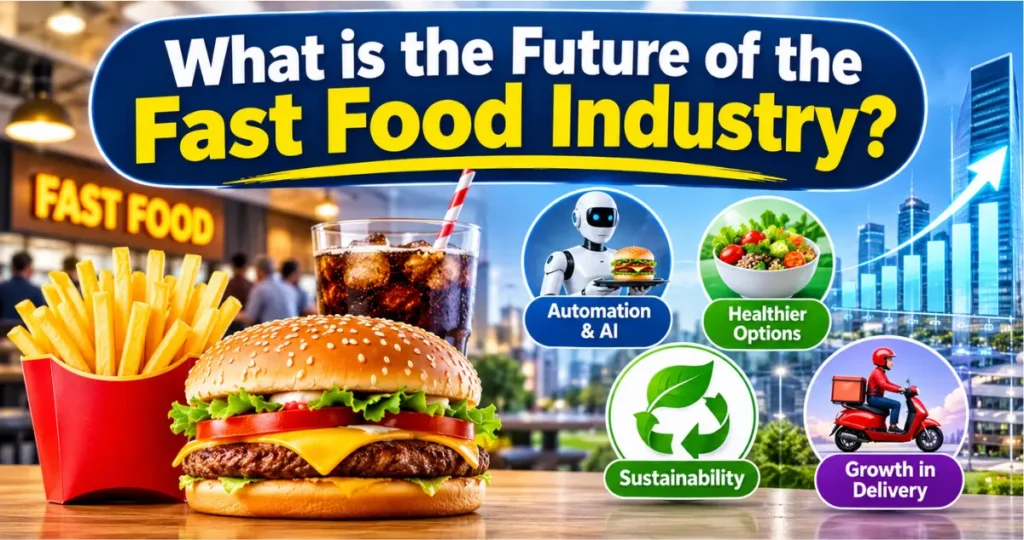
The industry is likely to develop through digital ordering, automation, delivery services, plant-based alternatives, sustainable packaging, and greater attention to nutrition and customer preferences.
Conclusion
Fast food has become an important part of modern society because it provides convenient meals through restaurants, takeaway outlets, drive-through services, and digital delivery platforms. Its major categories include burgers, sandwiches, pizza, fried chicken, tacos, hot dogs, salads, wraps, and breakfast products.
The fast food industry has also developed into a significant economic sector, supporting restaurant operations, employment, food manufacturing, agriculture, transportation, and technology services. Standardized preparation methods, organized supply chains, and digital ordering systems have helped businesses expand across different markets.
However, the nutritional quality of fast food varies according to ingredients, cooking methods, portion sizes, and consumption frequency. Some meals contain valuable nutrients, while others provide excessive calories, sodium, saturated fat, or added sugars.
Consumers can make more informed choices by reviewing nutritional information, selecting suitable portions, including vegetables, and balancing restaurant meals with a variety of nutritious foods. Understanding fast food, its different types, and its effects on health helps people evaluate its role in modern eating habits.
Overall, fast food represents more than a convenient meal option. It is a major part of the global food-service industry, influenced by changing lifestyles, consumer preferences, technology, nutrition awareness, and economic development.