
Introduction
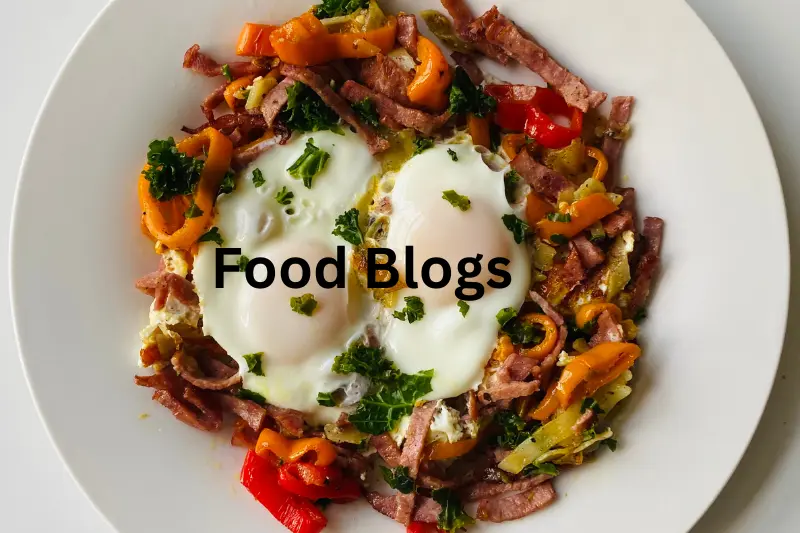
Food blogs have become one of the most popular and profitable niches in the digital world. Whether you’re passionate about cooking, reviewing restaurants, or sharing recipes, food blogs offer endless opportunities to build a loyal audience and generate income. You may get lot knowledge from Popular Blogs as well.
A food blog is a website or platform where individuals share food-related content such as recipes, cooking tips, restaurant reviews, dietary advice, and culinary experiences. Over the years, food blogs have evolved from simple recipe journals to highly professional platforms with strong branding, SEO strategies, and monetization models. Best SEO Blogs help to handle blogs.
In 2026, food blogs are more competitive than ever, but they also offer greater opportunities due to increasing global interest in food culture, healthy eating, and home cooking.
What Are Food Blogs
Food blogs are specialized blogs that focus on food-related content. These blogs can cover a wide variety of topics, including:
- Recipes and cooking tutorials
- Restaurant and product reviews
- Healthy eating and diet plans
- Food photography and styling
- Cultural and regional cuisines
Food blogs are unique because they combine storytelling, visuals, and practical value, making them highly engaging for readers.
Types of Food Blogs
1. Recipe-Based Food Blogs
These focus on sharing step-by-step cooking recipes with images and instructions.
2. Healthy Food Blogs
These emphasize nutrition, diet plans, and healthy lifestyles.
3. Vegan or Specialty Diet Food Blogs
Focused on specific diets such as vegan, keto, gluten-free, etc.
4. Restaurant Review Food Blogs
These provide reviews of restaurants, cafes, and food experiences.
5. Food Travel Blogs
Combine travel and food experiences across different locations.
Why Food Blogs Are Popular in 2026
Food blogs continue to grow due to several reasons:
- Increased interest in home cooking
- Rise of social media food content
- Demand for healthy eating information
- Growth of digital entrepreneurship
People are constantly searching for recipes, food inspiration, and reviews, making food blogs a high-demand niche.
How to Start a Food Blog
1. Choose a Niche
Instead of general food blogs, choose a focused niche like:
- Quick recipes
- Budget meals
- Fitness food blogs
- Desserts and baking
2. Select a Blogging Platform
Popular platforms include:
- WordPress
- Blogger
- Wix
3. Get a Domain and Hosting
Choose a domain name related to your food blogs niche.
4. Design Your Blog
Use clean, visually appealing themes with:
- Easy navigation
- Mobile responsiveness
- Fast loading speed
5. Create Quality Content
Content is the backbone of successful food blogs. Focus on:
- Original recipes
- Clear instructions
- High-quality images
Content Writing Strategies for Food Blogs
To succeed in food blogs, your content must be engaging and optimized.
1. Use SEO Keywords
Include “food blogs” naturally in:
- Headings
- Meta descriptions
- Content body
2. Write Detailed Recipes
Provide:
- Ingredients list
- Step-by-step instructions
- Cooking time and tips
3. Use Storytelling
Share personal experiences to connect emotionally with readers.
4. Optimize Readability
Use:
- Short paragraphs
- Bullet points
- Subheadings
Importance of Food Photography in Food Blogs
Food blogs rely heavily on visuals. High-quality images can:
- Increase engagement
- Improve SEO
- Boost social shares
Related Posts:


Tips for Better Food Photography:
- Use natural lighting
- Keep backgrounds simple
- Focus on presentation
SEO Strategies for Food Blogs
Search Engine Optimization (SEO) is crucial for ranking food blogs on Google.
On-Page SEO for Food Blogs
- Use keyword “food blogs” strategically
- Optimize headings (H1, H2, H3)
- Add alt text to images
Off-Page SEO for Food Blogs
- Build backlinks
- Guest posting
- Social media sharing
Technical SEO
- Improve page speed
- Use mobile-friendly design
- Secure your site (HTTPS)
How to Drive Traffic to Food Blogs
1. Social Media Marketing
Platforms like Instagram, Pinterest, and TikTok are ideal for food blogs.
2. Pinterest Strategy
Pinterest is a major traffic source for food blogs due to visual content.
3. Email Marketing
Build an email list and send:
- New recipes
- Weekly newsletters
- Exclusive content
4. Collaboration
Work with other bloggers and influencers.
Monetization Strategies for Food Blogs
Food blogs can generate income in multiple ways:
1. Display Ads
Use platforms like Google AdSense.
2. Affiliate Marketing
Promote kitchen tools, ingredients, or cookbooks.
3. Sponsored Posts
Brands pay you to feature their products.
4. Selling Digital Products
- Recipe eBooks
- Cooking courses
5. Membership Programs
Offer exclusive content to paid members.
Best Tools for Food Blogs
Content Creation Tools
- Grammarly
- Canva
SEO Tools
- Ahrefs
- SEMrush
Photography Tools
- Lightroom
- Photoshop
Blogging Tools
- WordPress plugins
- Email marketing tools
Common Mistakes in Food Blogs
Avoid these mistakes:
- Ignoring SEO
- Poor image quality
- Inconsistent posting
Future of Food Blogs
The future of food blogs looks promising with trends like:
- AI-generated recipes
- Video content growth
- Voice search optimization
- Personalized nutrition content
Food blogs will continue to evolve with technology and user preferences.
How to Do Keyword Research for Food Blogs
- Use tools like Ahrefs, SEMrush, and Google Keyword Planner
- Focus on long-tail keywords (e.g., “easy vegan dinner recipes”)
- Analyze competitors’ food blogs
- Look for low-competition, high-volume keywords
Types of Keywords for Food Blogs
- Informational: “how to bake a cake”
- Transactional: “best air fryer for home cooking”
- Seasonal: “Christmas dessert recipes”
Using proper keyword research ensures your food blogs rank higher on search engines and attract targeted traffic.
Content Clusters for Food Blogs
Content clusters help organize your food blogs and improve SEO rankings.
What Are Content Clusters?
A content cluster consists of:
- One pillar page (main topic)
- Multiple related subtopics
Example for Food Blogs
Pillar Topic: Healthy Food Blogs
Cluster Topics:
- Low-calorie recipes
- Keto meal plans
- Vegan diet guides
Benefits of Content Clusters
- Improves site structure
- Boosts internal linking
- Increases topical authority
Food blogs using content clusters perform better in search rankings.
Voice Search Optimization for Food Blogs
With the rise of smart assistants, optimizing food blogs for voice search is essential.
How to Optimize Food Blogs for Voice Search
- Use conversational keywords
- Answer questions directly
- Optimize for featured snippets
- Include FAQ sections
Example
Instead of:
“best pasta recipes”
Use:
“What are the best pasta recipes for beginners?”
Voice search optimization makes your food blogs more accessible and future-ready.
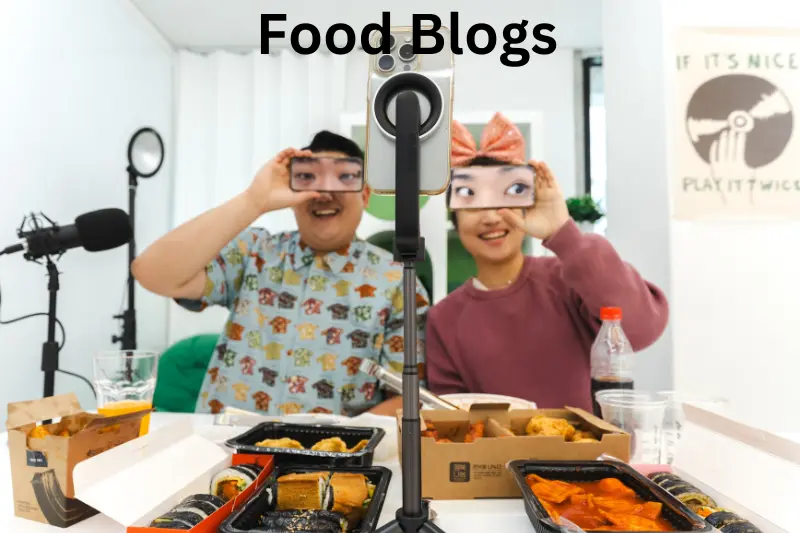
Video Content Strategy for Food Blogs (YouTube & Reels)
Video content is a game-changer for food blogs in 2026.
Why Video Matters
- Higher engagement
- Better retention
- Increased social shares
Video Ideas for Food Blogs
- Recipe tutorials
- Cooking tips
- Behind-the-scenes content
Platforms to Use
- YouTube (long-form content)
- Instagram Reels (short-form)
- TikTok (viral reach)
Combining video with written content can significantly boost your food blogs’ visibility.
Related Posts:
Personal Branding in Food Blogs
Personal branding helps differentiate your food blogs from competitors.
How to Build a Personal Brand
- Share your story
- Use a consistent voice and tone
- Show your personality in content
Branding Elements
- Logo and color scheme
- Unique writing style
- Signature recipes
Strong personal branding builds trust and loyalty in food blogs.
AI Tools for Food Blogs Writing
AI is transforming how food blogs are created and optimized.
Best Uses of AI in Food Blogs
- Generating recipe ideas
- Writing blog drafts
- SEO optimization
- Content editing
Popular AI Tools
- ChatGPT
- Jasper AI
- Copy.ai
AI tools can save time and improve the quality of your food blogs.
Food Blog Case Studies (Successful Examples)
Learning from successful food blogs can inspire your strategy.
Common Success Factors
- Consistent posting
- High-quality visuals
- Strong SEO practices
Example Strategies
- Focusing on a niche (e.g., vegan food blogs)
- Leveraging Pinterest traffic
- Building email lists
Studying case studies helps you understand what works in food blogs.
Seasonal Content Planning for Food Blogs
Seasonal content is crucial for traffic growth in food blogs.
Examples of Seasonal Topics
- Summer BBQ recipes
- Halloween desserts
- Christmas dinner ideas
Benefits
- Higher search demand
- Better engagement
- Increased shares
Tips
- Plan content 2–3 months in advance
- Use seasonal keywords
- Update old seasonal posts
Seasonal planning keeps your food blogs relevant year-round.
Local SEO for Food Blogs
Local SEO is important for food blogs that focus on specific locations.
How to Optimize for Local SEO
- Use location-based keywords
- Create Google Business Profile
- Write local restaurant reviews
Example
“Best cafes in Paris” or “Top street food in London”
Local SEO helps food blogs attract nearby audiences and improve visibility.
Conversion Rate Optimization for Food Blogs
Getting traffic is not enough—your food blogs must convert visitors into subscribers or customers.
Ways to Improve Conversions
- Add clear call-to-actions (CTAs)
- Use email signup forms
- Offer free resources (eBooks, recipes)
Optimize User Experience
- Fast-loading pages
- Mobile-friendly design
- Easy navigation
A/B Testing
Test:
- Headlines
- Images
- CTA buttons
Conversion Rate Optimization ensures your food blogs generate real results.
FAQs on Food Blogs
1. Are food blogs still profitable in 2026?
Yes, food blogs are highly profitable with proper SEO and monetization strategies.
2. How much can food blogs earn?
Food blogs can earn from a few hundred to thousands of dollars monthly depending on traffic.
3. Do I need cooking skills to start food blogs?
Basic knowledge helps, but creativity and consistency matter more.
4. Which platform is best for food blogs?
WordPress is the most popular choice for food blogs.
5. How long does it take to grow food blogs?
It typically takes 6–12 months with consistent effort.
6. Can I start food blogs without investment?
Yes, but investing in hosting and tools gives better results.
Summary
Food blogs are a powerful way to share your passion for food while building a profitable online business. From choosing a niche to creating SEO-optimized content and monetizing effectively, success in food blogs requires consistency, creativity, and strategy.
Conclusion
Food blogs are more than just a hobby—they are a thriving digital business opportunity in 2026. With the right approach, anyone can start and grow successful food blogs. Focus on quality content, strong SEO, and audience engagement to stand out in this competitive niche.