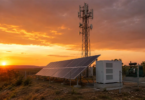
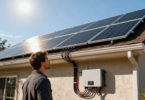
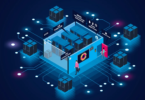
When rooftop PV produces more electricity than a home needs at a particular moment, storage can help shift some of that energy to a later period. A solar battery energy storage solution should be planned around the household load profile, battery-use expectations, and the existing electrical system. The most useful design discussions begin with the conditions the system will face in daily operation. Good procurement balances present requirements with realistic future demand, without paying for capacity that has no defined use. The central design task is to connect the selected equipment with a clear site requirement.
solar battery energy storage solution: An example installation of grid-forming battery energy storage equipmentEquipment and site considerations for 智能组串式构网型储能 applications.
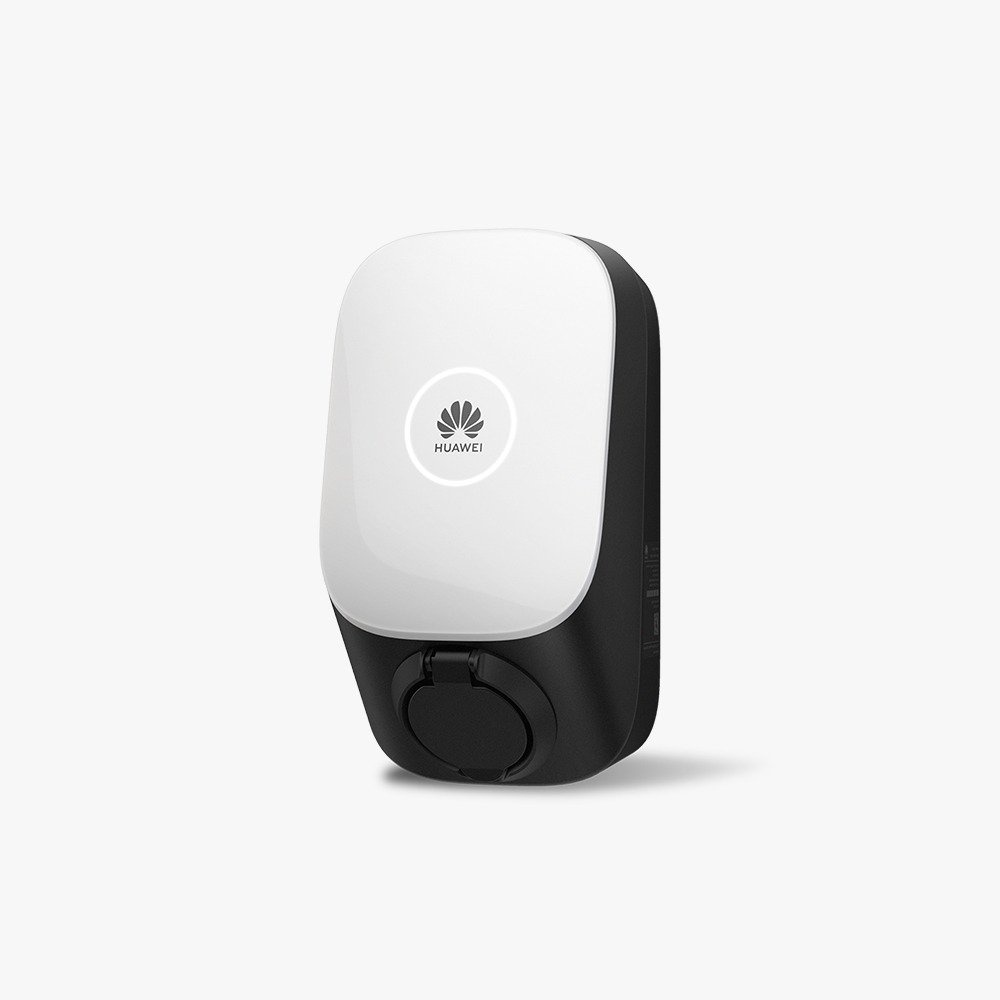
Make monitoring useful for operations
Operators need visibility into state of charge, power, temperature, alarms, availability, and the condition of key components. Data should be time-aligned and linked to asset identifiers so that an event can be investigated. A dashboard is only useful when alarms have defined thresholds, responsibilities, and response procedures.
Use evidence rather than headline figures
Published ratings are useful starting points, but they describe performance under defined test conditions. A project team should confirm the load, temperature, operating mode, measurement boundary, and configuration behind any important figure. Site-specific modeling and commissioning records are needed before a performance claim is treated as a project outcome. For a closer look at the solution scope, review solar battery energy storage solution and consider how its documented functions fit the site layout, electrical interfaces, and operating plan.
Design for the duty cycle, not just the nameplate
The required energy capacity and power rating depend on how often the system will charge and discharge, how long each event lasts, and what reserve must remain available. Peak shaving, renewable smoothing, backup, and grid services place different demands on the battery. A clear use-case model helps prevent a project from being sized around an assumed benefit that the operating schedule cannot deliver.
Coordinate controls with the plant and the grid
Storage controls need to communicate with the power conversion equipment, plant controller, energy management system, and relevant grid interfaces. Setpoints and operating limits should be traceable, with clear ownership for software changes. During commissioning, teams should verify that commanded behavior matches the actual response and that protective actions take priority when required. Performance should always be assessed against the actual installation conditions and the complete system boundary.
Plan the site around access and environmental conditions
Container placement, drainage, fire access, separation distances, cable routes, ventilation, noise, and lifting access influence both construction and operation. Site planning should involve electrical, civil, fire-safety, and operations teams early. A compact equipment arrangement is useful only if it still allows safe inspection, isolation, and replacement of major components. A project specification for solar battery energy storage solution should identify the applicable configuration, installation limits, commissioning checks, and service responsibilities.
Consider how storage will evolve
Electricity markets, grid codes, renewable capacity, and site loads can change over the life of a storage asset. A design review should consider whether the control platform, switchgear, protection, and physical layout can accommodate future operating modes. Flexibility is most useful when it is supported by a documented upgrade path rather than an undefined promise.