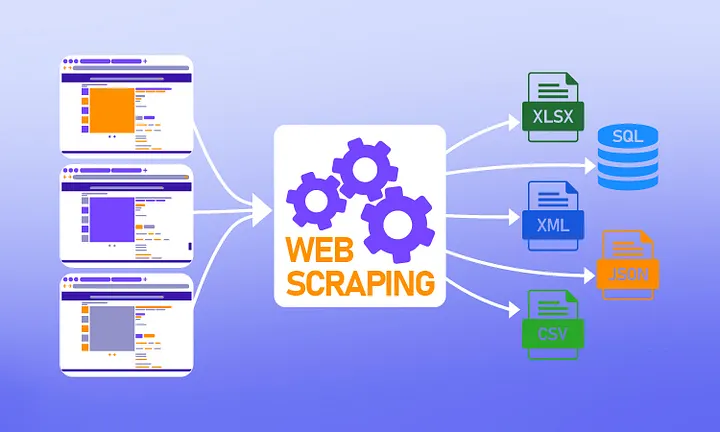

Large-scale web scraping operations face strict defensive mechanisms designed to identify and block automated traffic. Modern anti-bot platforms analyze network traffic parameters, client runtime environments, and request frequencies. When scrapers issue high volumes of requests through headless browsers or simple script libraries, target servers detect missing browser subsystems and flag the originating IP addresses. Designing a durable data collection pipeline requires deploying isolated sessions with authentic browser runtimes.
Defensive mechanisms in modern web architectures
Web platforms protect public and proprietary data using layered validation systems. Basic rate-limiting counts requests per IP address over specific time windows, but modern systems rely heavily on behavioral heuristics and device fingerprinting to detect programmatic data extraction.
Common validation layers include:
- TLS fingerprinting: Platforms evaluate the cipher suites, extensions, and elliptic curve formats sent during the initial TLS handshake to determine whether the client matches a genuine browser build.
- JavaScript environment probing: Anti-bot scripts inspect the global window object for automated execution variables such as window.navigator.webdriver, missing plugin arrays, and automated runtime hooks.
- Rendering validation: Servers issue background rendering challenges using hidden HTML5 canvas elements or WebGL scenes, confirming that a real graphics rendering pipeline processes the page.
- Behavioral interaction tracking: Systems track mouse trajectory fluidity, keystroke intervals, and scrolling mechanics to separate human users from scripted headless drivers.
Limitations of standard headless automation
Traditional scraping architectures often utilize basic Puppeteer, Playwright, or Selenium setups operating in default headless modes. While these frameworks execute JavaScript efficiently, their default configurations leave obvious operational footprints. Headless Chrome instances expose identifiable navigator attributes, default screen boundaries, and missing font rendering configurations that trigger automated Cloudflare or Datadome challenges.
Attempting to patch these parameters manually via user-script injections creates inconsistencies. Modifying navigator properties through runtime scripts often introduces detectable prototype modifications that security scripts flag as evasion attempts.
Implementing browser-level virtualization
To collect data reliably without constant IP bans and CAPTCHA interruptions, automated pipelines must run inside authentic browser engines. A specialized multi account browser manages session environments by isolating cache stores, hardware parameters, and network routes at the binary level. Instead of stripping out browser functions, it maintains complete rendering environments for each data-gathering node.
This virtualization model provides several technical advantages:
- Consistent hardware profiles: Each worker instance uses a stable, realistic set of parameters including valid GPU vendor strings, genuine system fonts, and proportional screen geometries.
- Dedicated network bindings: Profiles route requests through assigned residential or mobile proxy servers, ensuring that the IP address, DNS resolver, and browser time zone align with geographic precision.
- Independent session persistence: Local cookies, IndexedDB databases, and local storage stay separated across tasks, preventing tracking scripts from correlating concurrent extraction workers.
- API integration for automation frameworks: Automation scripts connect directly to isolated profiles via Chrome DevTools Protocol (CDP), allowing standard Selenium or Puppeteer routines to operate within fingerprint-protected sessions.
Managing profile lifecycles in extraction pipelines
Maintaining high throughput requires structured lifecycle management for scraping nodes. When querying dynamic marketplaces or directory listings, profiles should simulate natural user lifecycles. Generating session cookies on low-risk entry pages before accessing high-value data endpoints warms up the session profile and lowers the platform fraud score.
If an individual worker encounters an access challenge, the extraction architecture can cycle the associated proxy and initialize a fresh profile environment without disrupting other parallel workers. This isolation prevents cascading blocks and keeps long-running data collection pipelines operational under aggressive platform monitoring.